What Is the Book of Revelation?
A Catholic Explanation
The Book of Revelation is the final book of the Bible and one of the most mysterious. Many people associate it only with the end of the world, dramatic events, and symbolic visions.
However, the Church teaches that Revelation is not meant to frighten believers. Instead, it offers a message of hope, perseverance, and the final victory of Christ.
Understanding the purpose of this book helps Christians read it with faith rather than fear.
(Scripture quotations are from the Revised Standard Version – Catholic Edition.)
Who Wrote the Book of Revelation?
The Book of Revelation was written by John the Apostle, the same disciple traditionally associated with the Gospel of John.
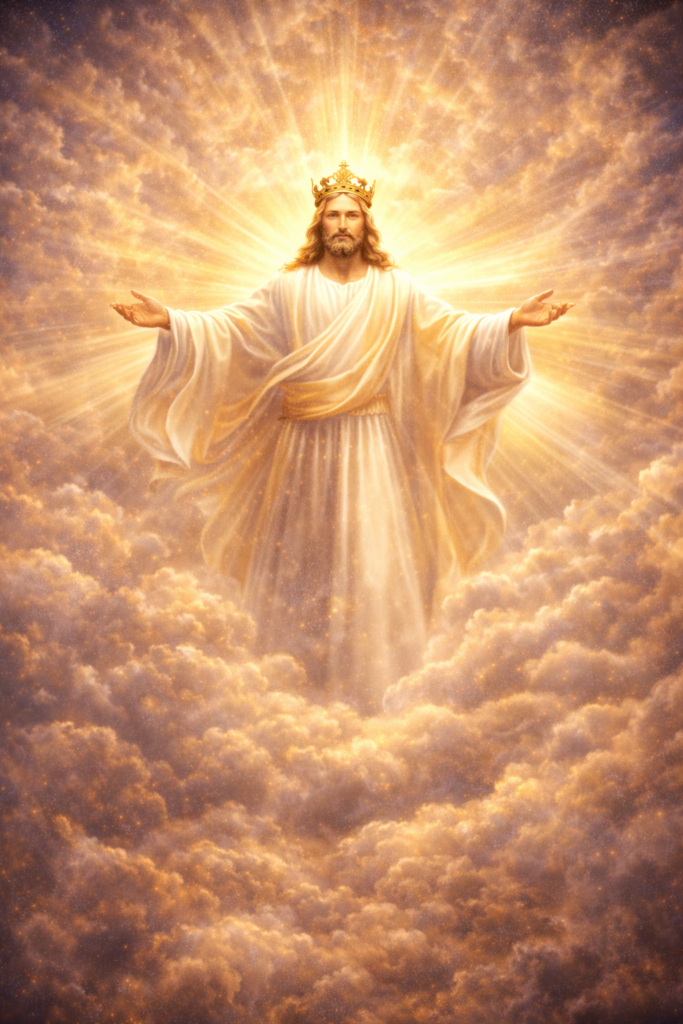
John wrote this book while he was in exile on the island of Patmos during a time when Christians were facing persecution.
At the beginning of the book he writes:
“I, John, your brother who share with you in Jesus the tribulation and the kingdom and the patient endurance, was on the island called Patmos.”
— Revelation 1:9 (RSV-CE)
This shows that Revelation was written to encourage believers during difficult times.
Why Was the Book Written?
The purpose of the Book of Revelation was to strengthen Christians who were suffering persecution under the Roman Empire.
The visions in the book use powerful symbols to show that:
- evil and injustice will not last forever
- God remains in control of history
- Christ will ultimately triumph.
Rather than predicting exact dates or events, Revelation reveals the spiritual struggle between good and evil that occurs throughout history.
Understanding the Symbolic Language
One reason the Book of Revelation is often misunderstood is its use of symbolic imagery.
The book contains visions such as:
- the Four Horsemen
- the Beast
- the Lamb on the throne
- the New Jerusalem
These images are not always meant to be taken literally. They are part of a biblical literary style called apocalyptic writing, which uses symbols to reveal deeper spiritual truths.
For example, the Lamb represents Jesus Christ, whose sacrifice brings victory over sin and death.
The Central Message of Revelation
At its heart, the Book of Revelation proclaims one powerful truth:
Christ has already won the victory.
Even though the world experiences suffering, injustice, and persecution, God’s plan will ultimately prevail.
The book ends with a beautiful promise:
“He who testifies to these things says, ‘Surely I am coming soon.’ Amen. Come, Lord Jesus!”
— Revelation 22:20 (RSV-CE)
This prayer expresses the hope of Christians awaiting the return of Jesus Christ.
Revelation and the Worship of Heaven
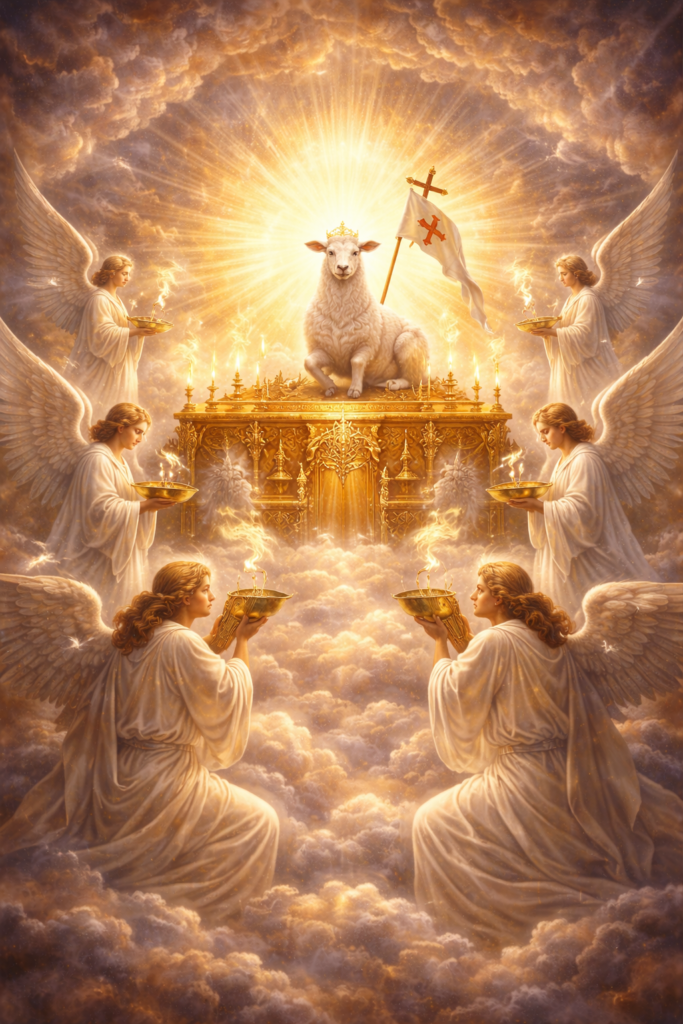
Another important theme in the Book of Revelation is heavenly worship.
The visions describe:
- altars
- incense
- hymns of praise
- the Lamb of God on the throne.
These images closely resemble the worship celebrated in the Catholic Mass.
Many theologians have noted that when Christians participate in the Eucharist, they join the heavenly worship described in Revelation.
How Catholics Should Read Revelation
The Catechism of the Catholic Church teaches that Scripture should always be interpreted within the tradition of the Church.
This means the Book of Revelation should not be used to create fear or speculation about specific dates or political events.
Instead, Catholics read Revelation as:
- a message of hope
- a call to remain faithful
- a reminder that Christ will come again in glory.
A Message of Hope for Every Generation
Although the Book of Revelation was written nearly two thousand years ago, its message remains relevant today.
Every generation experiences struggles, uncertainty, and challenges to faith.
Revelation reminds believers that history is moving toward a final fulfillment when God will establish a new creation and the faithful will dwell with Him forever.
The final vision of the New Jerusalem symbolizes this ultimate promise of eternal life with God.
Many people associate the Book of Revelation with the end of the world. You can also read our explanation in Are We Living in the End Times?
Sources & References
Sacred Scripture
- Revised Standard Version – Catholic Edition
Key passages cited:
- Book of Revelation 1:9
- Book of Revelation 22:20
Church Teaching
- Catechism of the Catholic Church